
/
/
Reinforcing PLA With Waste-Derived Materials: Sawdust, MDF and Textile Waste for 3D Printing
October 2026 · Polymer Engineering & Science
Sawdust, MDF and Textile Waste for 3D Printing
At a glance
Research partner
Journal
Polymer Engineering & Science (Wiley)
Published
15 October 2026 (Early View)
Authors
Adriana Popa, George-Marian Ispas, Victor Dan Baias, Flaviu Nicolae Bogdan, Teodora Radu, Oana Onija, Ioan Cionca, Alexandrina Nan
Our study on PLA composites reinforced with waste-derived materials, carried out together with the National Institute for Research and Development of Isotopic and Molecular Technologies (INCDTIM) in Cluj-Napoca, has been published in Polymer Engineering & Science. It investigates how the incorporation of sawdust, MDF waste and textile waste affects the properties of PLA-based composites intended for 3D printing applications.
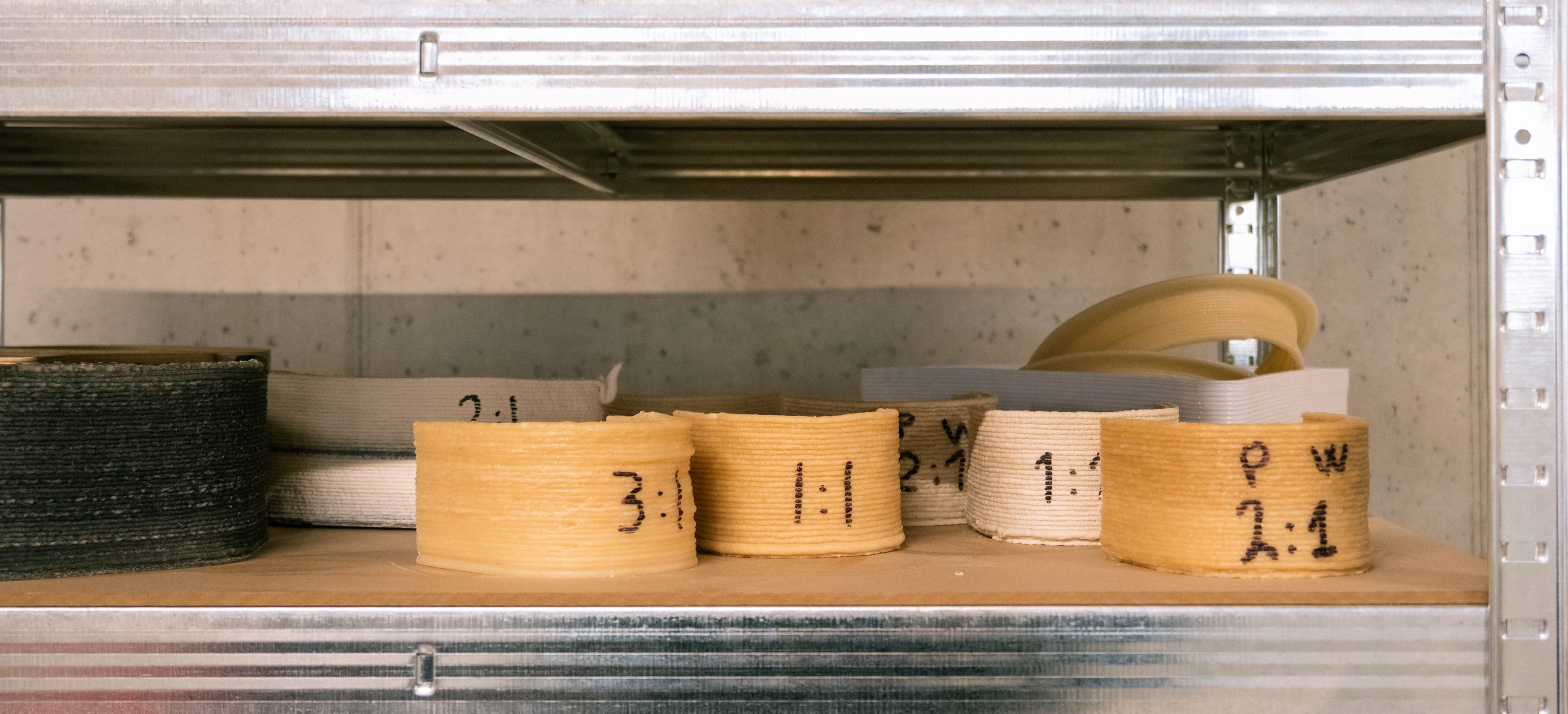
The study, Physicochemical and Mechanical Characterization of PLA Composites With Waste-Derived Reinforcements for 3D-Printed Applications, is the result of our collaboration with INCDTIM. It investigates polylactic acid (PLA), a bio-based polymer widely used in 3D printing. The PLA was combined with waste-derived reinforcements (materials added to a polymer to modify its properties), including sawdust, MDF waste and textile waste, to produce composites with modified material properties.
The starting point was the circular economy. Instead of discarding this waste, we investigated its use as reinforcement to modify the mechanical, structural and surface properties of PLA-based composites. Compatibilizers, additives that improve compatibility between the polymer matrix and the reinforcements, were used to optimise the processing.
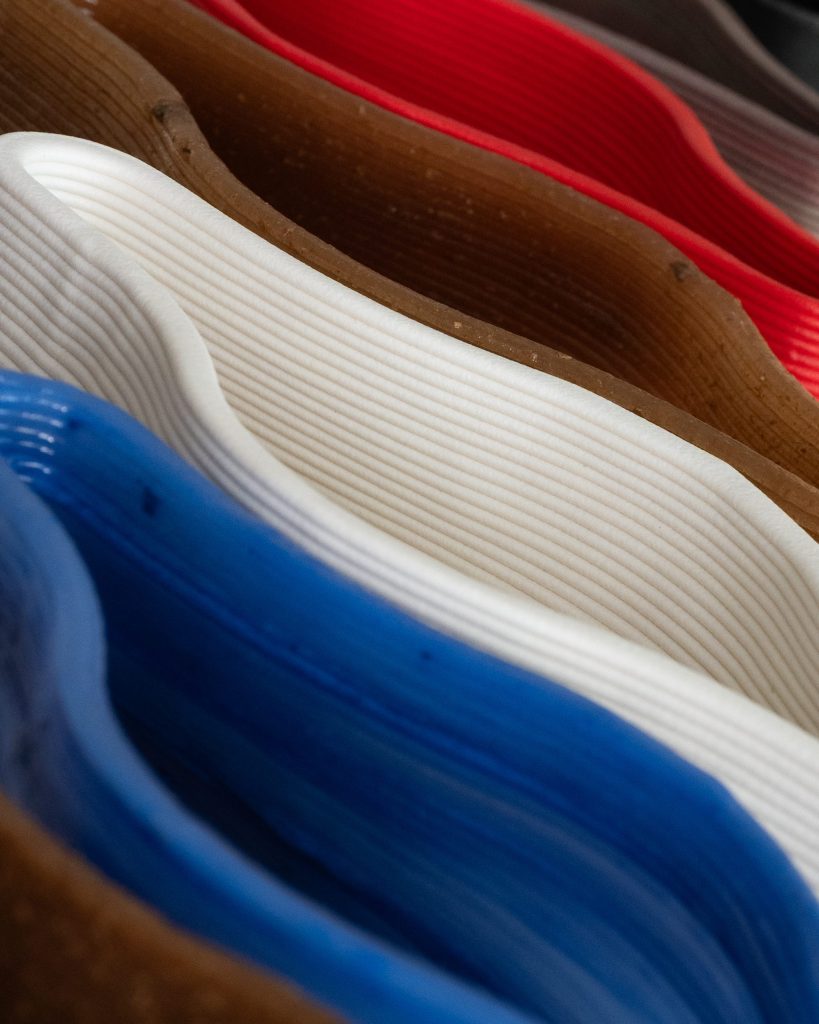
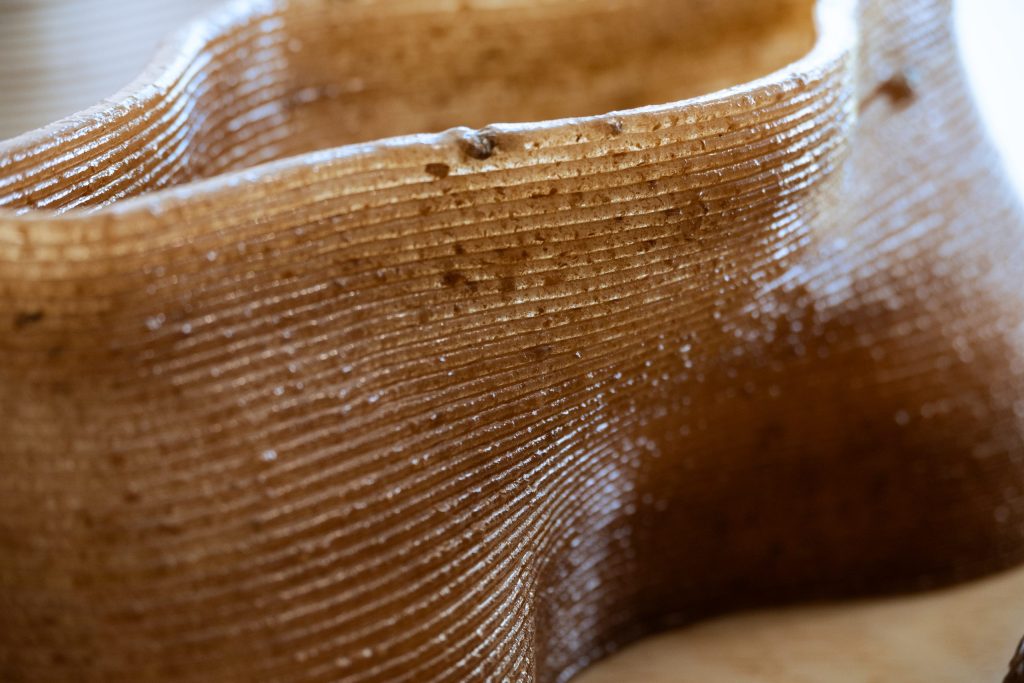
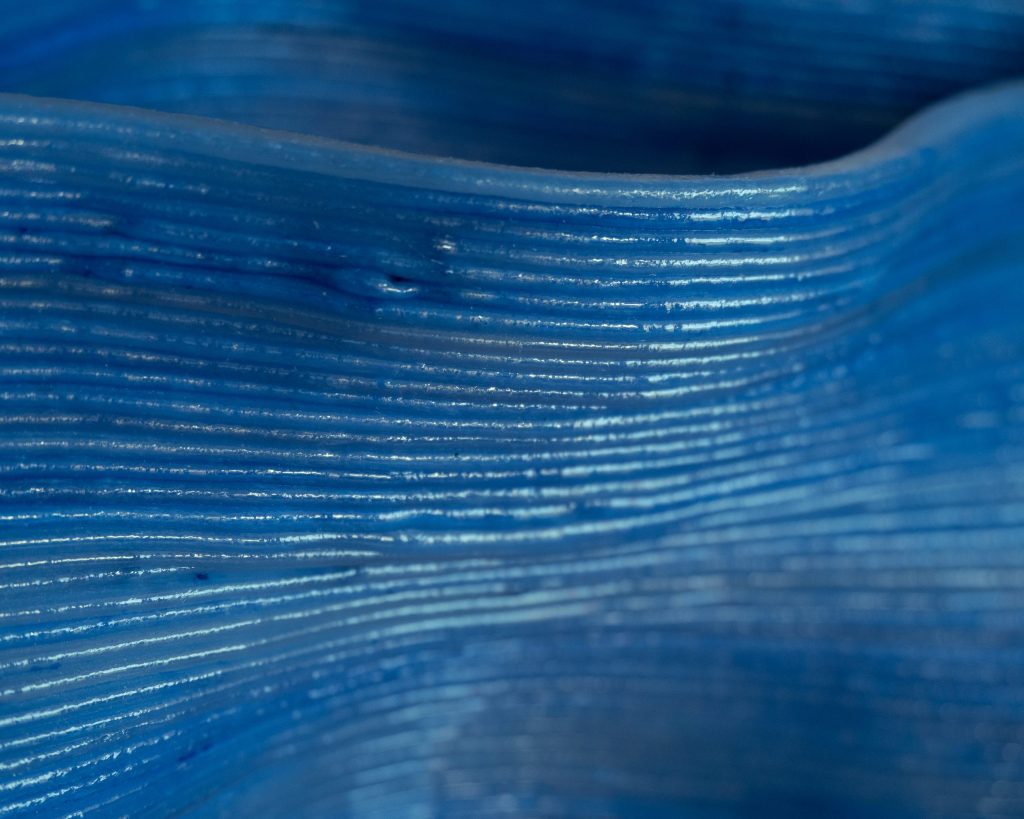
The composites were produced by extrusion and compression moulding. They were characterised using three techniques: Fourier-transform infrared (FTIR) spectroscopy to investigate their chemical structure; contact angle measurements to assess surface wettability; and dynamic mechanical analysis (DMA) to evaluate their viscoelastic behaviour as a function of temperature.
The samples were also exposed to ultraviolet (UV) radiation and to 100% humidity, to investigate changes in the properties of each formulation under these conditions.
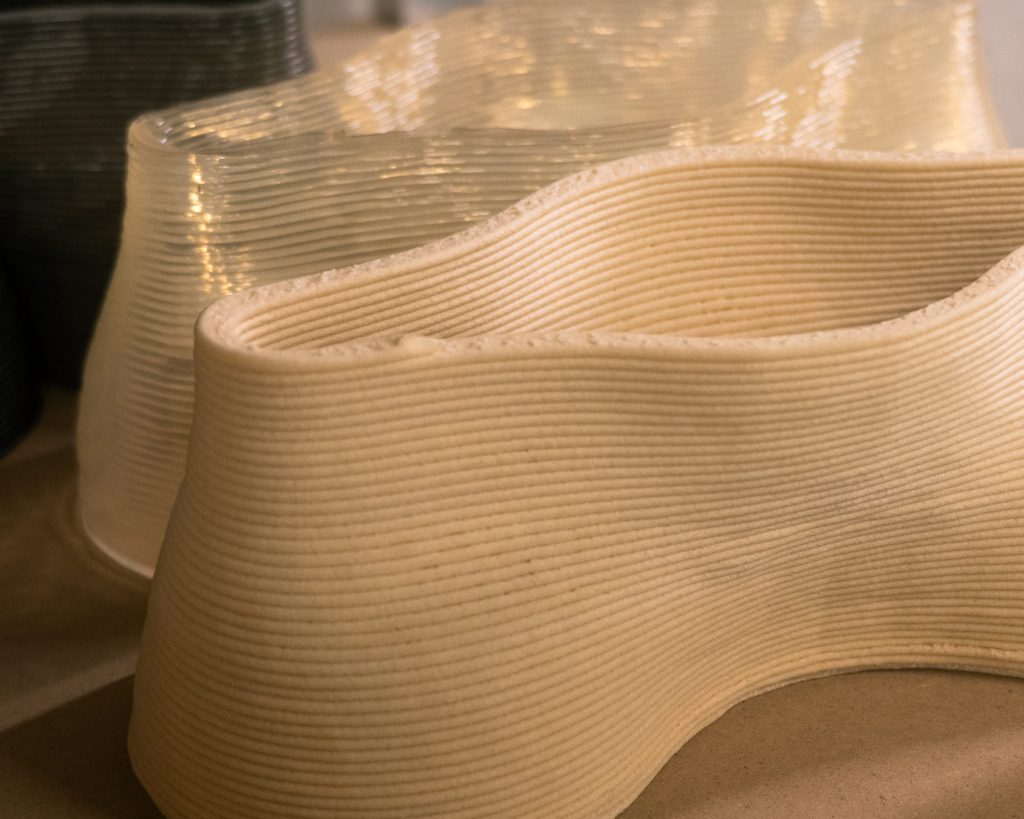
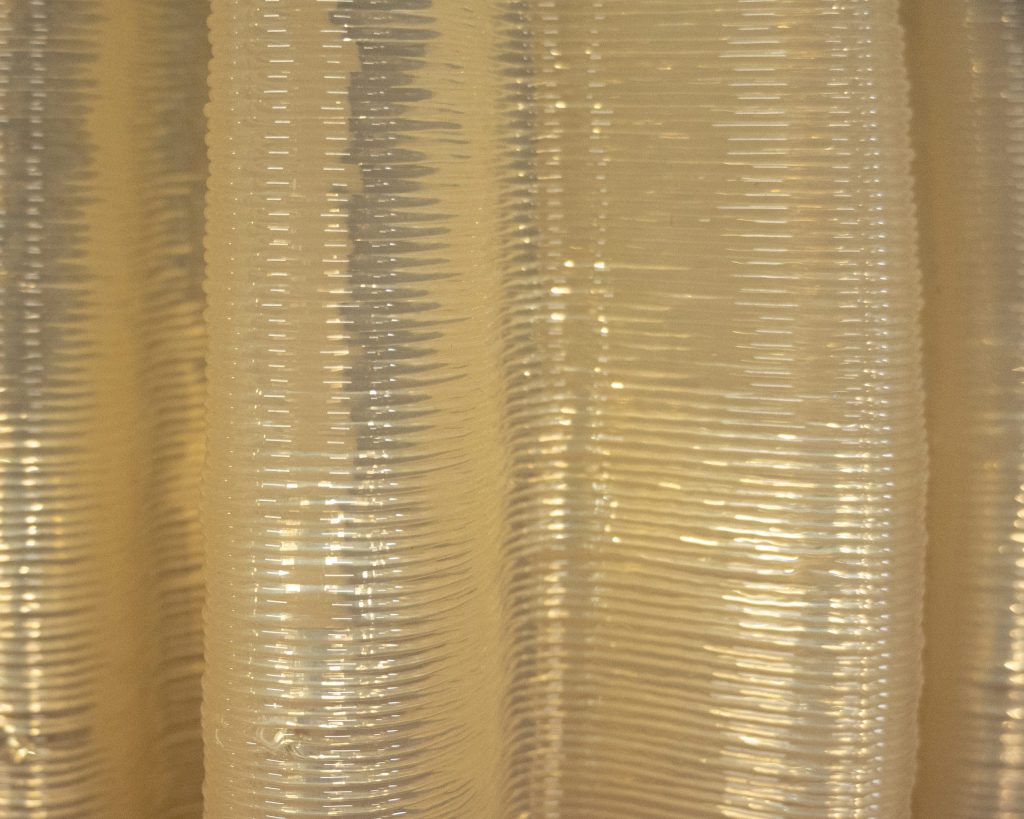
The reinforcements were uniformly dispersed throughout the PLA matrix, without modifying it.
The incorporation of wood-based and MDF reinforcements increased the stiffness of the composites, meaning greater resistance to deformation under load. Certain reinforcement types also enhanced their energy absorption capacity.
The incorporation of textile waste reduced the water contact angle, indicating an increase in the hydrophilicity of the composite surface.
Both reinforcement type and pretreatment influenced surface hydrophobicity (the tendency of the surface to repel water) and the mechanical properties of the composites.
All samples exhibited a single glass transition, the change of the polymer from a rigid, glassy state to one with greater molecular mobility. This is consistent with the characteristic thermal behaviour of PLA-based materials.
UV exposure increased surface oxidation and hydrophobicity in all formulations, with degradation patterns varying according to composition.
Exposure to 100% humidity promoted hydrolytic degradation of the PLA-based composites, a chemical process in which water breaks bonds in the polymer chains.
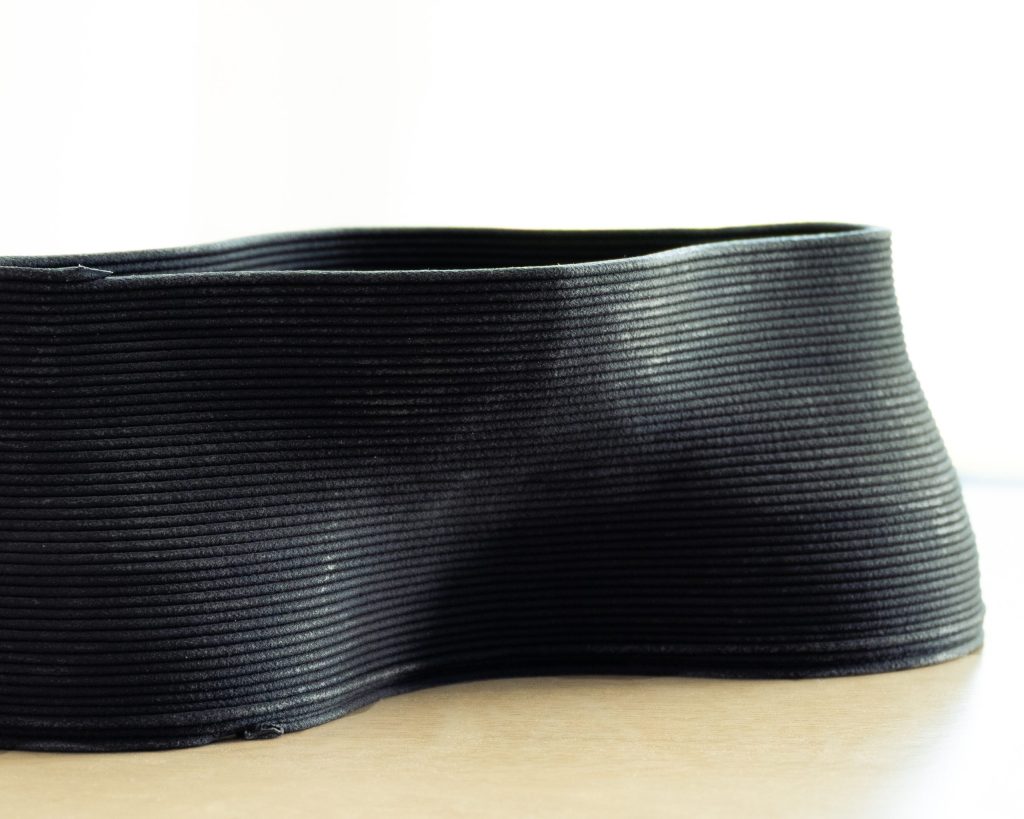
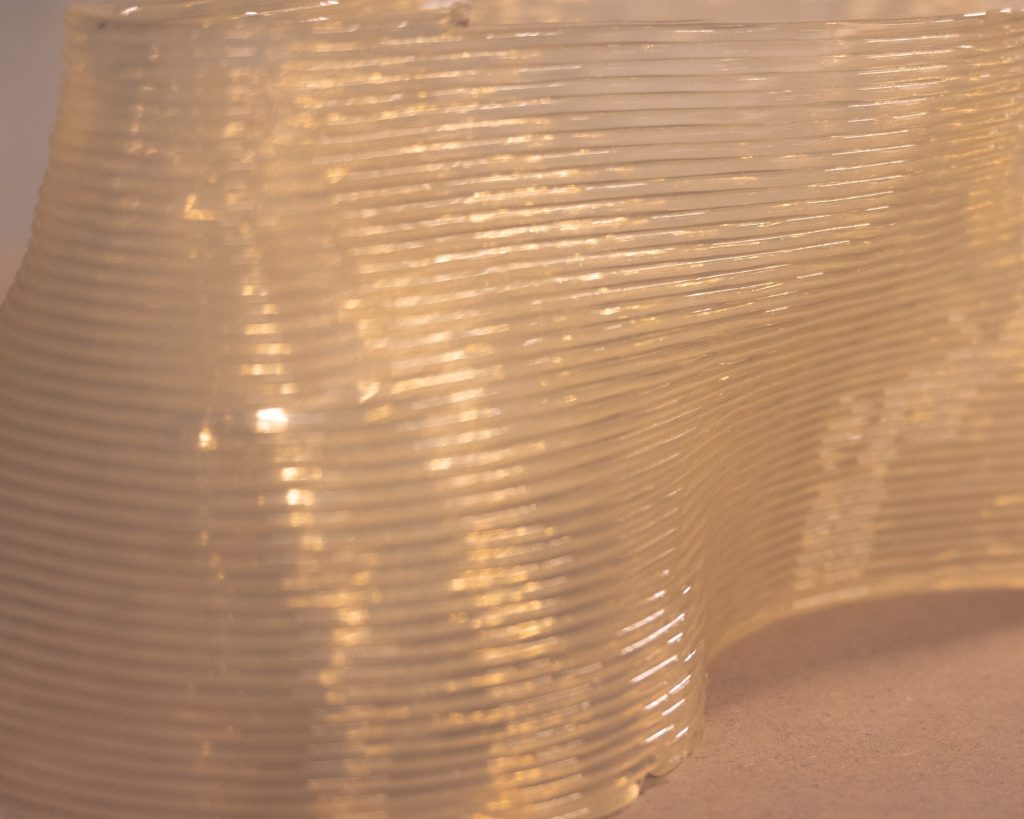
Reinforcements derived from furniture waste offer a route to valorise industrial residues.
The findings highlight the potential of waste-derived reinforcements in PLA-based composites for 3D printing. This research contributes to the development of new, more sustainable materials for the furniture industry.
The full article is available on Wiley Online Library, in Polymer Engineering & Science.
More stories

Research.
Design.
Manufacture.
© 2026 mkt center
Cluj-Napoca
Pre-order campaign
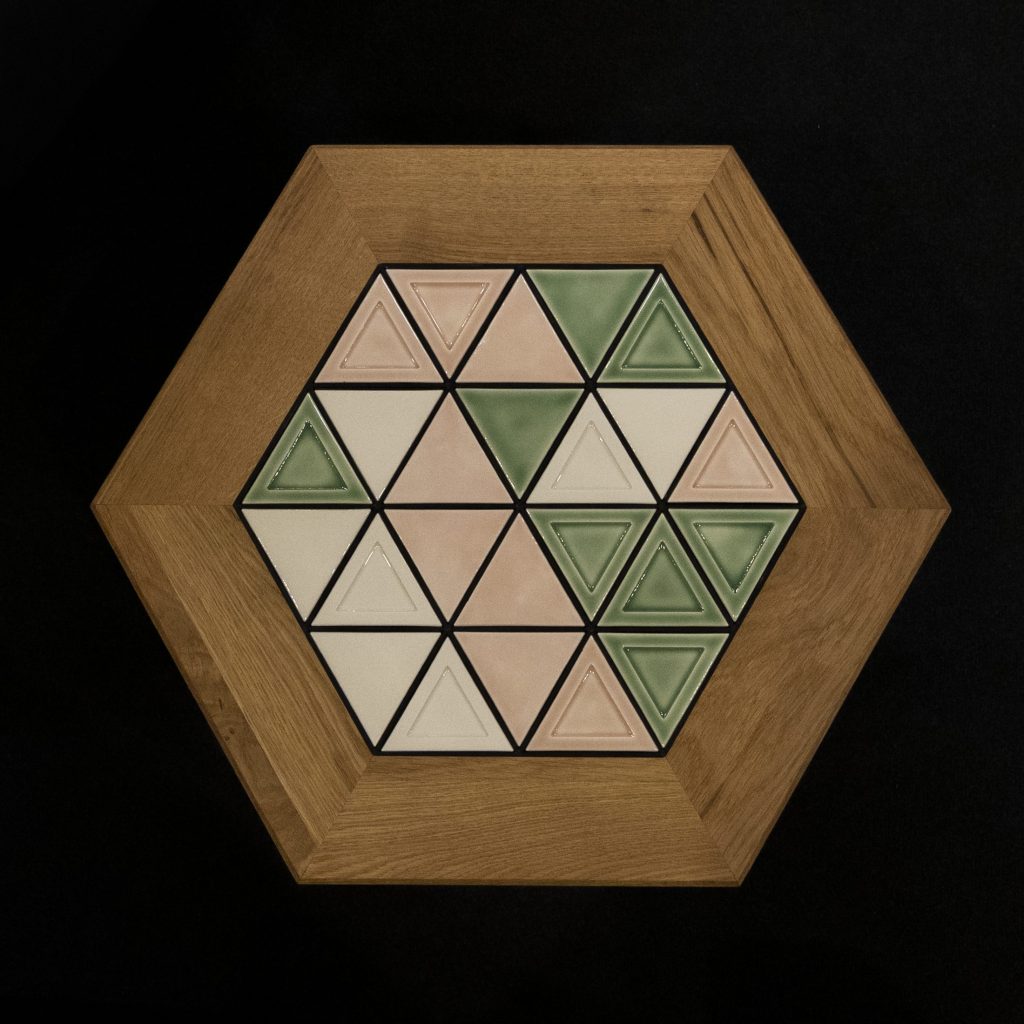
Our customisable coffee table is open for pre-order, limited to 100 pieces.
See the campaign